
When replacing a roof along Florida’s Treasure Coast, picking a shingle color involves far more than matching your exterior paint or neighborhood curb appeal. In Port St. Lucie, residential roofs endure relentless subtropical sun, prolonged heatwaves, extreme humidity, and high-wind tropical storms. The color, profile, and reflective engineering of your shingles directly impact the amount of solar radiation absorbed by the roof deck—and how much heat penetrates your attic and living spaces below.
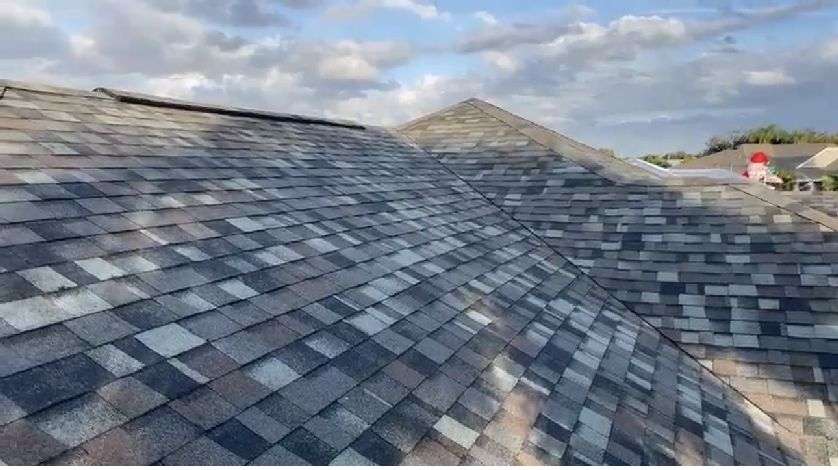
While choosing lighter shades or modern “cool roof” architectural shingles can curb surface heat absorption, shingle color is only one component of a thermally efficient building envelope. Lasting energy efficiency depends on balanced attic intake and exhaust ventilation, radiant barriers, structural deck integrity, and proper installation.
Here is what Port St. Lucie homeowners need to evaluate when balancing aesthetics, cooling efficiency, and Florida Building Code standards.
Does Shingle Color Actually Lower Attic Temperatures in South Florida?
Yes. Solar radiation hits a roof constantly throughout the day, where it is either reflected away or absorbed as heat. Conventional dark shingles—such as standard black or deep charcoal—absorb a large majority of this radiation, driving surface temperatures as high as 150°F to 165°F during a Port St. Lucie summer afternoon. That absorbed heat conducts through the plywood decking, radiating downward into the attic and elevating the workload on your central air conditioner.
Conversely, lighter shingles reflect a higher percentage of the sun’s rays, keeping surface temperatures significantly cooler. However, judging a shingle strictly by how light it looks to the naked eye can be misleading. Two shingle lines that look nearly identical in shade can perform very differently based on the ceramic coating, reflective pigments, and granule composition applied during manufacturing.
To gauge real-world energy performance, look at tested ratings rather than visual appearance alone.
Understanding Cool-Roof Ratings: SRI, Reflectance, and Emittance
Specially engineered “cool roof” shingles use specialized solar-reflective granules designed to bounce back infrared radiation—the specific wavelength responsible for heat—even within medium and darker tones.
When comparing architectural shingle lines, review these three standardized metrics published by the Cool Roof Rating Council (CRRC):
- Solar Reflectance (SR): The fraction of solar energy reflected off the shingle surface back into the atmosphere (rated on a scale of 0 to 1, or 0% to 100%). Higher values mean more sun is reflected away.
- Thermal Emittance (TE): The material’s ability to release heat it has already absorbed rather than holding onto it. Higher values indicate faster heat release.
- Solar Reflectance Index (SRI): A composite value combining solar reflectance and thermal emittance. Under standard conditions, clear black asphalt has an SRI near 0, while bright white surfaces can exceed 100. Higher SRI numbers signify a cooler overall roof plane.
Always verify the product’s Aged SRI alongside its initial rating. Florida’s high humidity, airborne pollen, and moisture exposure will naturally weather the surface, making aged performance the true indicator of long-term efficiency.
Top Architectural Shingle Colors for Port St. Lucie Properties
Balancing thermal performance with community aesthetics and HOA architectural guidelines is essential across subdivisions like Tradition, St. Lucie West, and Torino.
1. Off-White, Pearl, and Silver-White
These shades provide the highest solar reflectance among traditional shingle options, making them an effective match for coastal, Mediterranean, and contemporary Florida home styles.
- The Tradeoff: Lightest-tone shingles show airborne dirt, tree debris, and algae staining faster. If selecting an ultra-light palette, insist on shingles formulated with copper-infused granules for algae resistance.
2. Light Slate Gray & Silver Blends
Light gray is one of the most versatile and popular roofing selections throughout Port St. Lucie.
- Aesthetic Appeal: Complements coastal blues, crisp whites, sandy beiges, and stone-accented facades without the harsh visual glare of pure white.
- Thermal Balance: Reflects significant solar radiation while providing enough multi-tone granule depth to camouflage everyday airborne dust.
3. Sand, Driftwood, and Coastal Tan
Warm earth tones pair naturally with South Florida’s ubiquitous stucco finishes, clay accents, and tropical landscaping.
- Performance Note: While standard tan absorbs slightly more heat than light gray, modern manufacturers offer specialized reflective granules in warm hues that yield impressive SRI ratings while maintaining a rich, dimensional look.
4. Specially Engineered Reflective Dark Tones
Homeowners seeking bold contrast against light-colored stucco or modern farmhouse designs often favor dark charcoal or deep bronze.
- Reflective Technology: If your HOA requires darker shingles, choose specialized solar-reflective collections (such as lines using advanced cool-granule technology). These lines reflect infrared light while appearing dark to the human eye, offering better performance than generic dark asphalt shingles.
Why Color Is Only One Piece of the Energy Efficiency Puzzle
A light-colored roof alone will not fix high power bills if the underlying roof assembly is flawed. True attic temperature control requires an integrated system:
- Balanced Attic Ventilation: Shingles shed exterior heat, but an attic requires continuous airflow to purge trapped warmth and moisture. An effective system balances low intake (soffit vents) with high exhaust (ridge vents or off-ridge baffles) without depending on mechanical power.
- Quality Underlayment: Utilizing self-adhering, high-temperature secondary water barriers (SWR) protects the deck while assisting thermal performance.
- Attic Floor Insulation: Proper R-value insulation on the attic floor keeps radiant heat from transferring down through the drywall into your conditioned living rooms.
- Ductwork Integrity: Air conditioning ducts running through a superheated attic can lose substantial cooling capacity if joints are unsealed or insulation wraps are degraded.
- Deck Health & Attachment: During a full tear-off, your roofer must inspect the plywood decking for soft spots, replace moisture-damaged wood, and re-nail the panels to current high-wind schedules to ensure hurricane resistance.
A Homeowner’s Checklist for Comparing Shingle Samples
Before signing a contract or submitting plans to your HOA architectural review board, run through this practical selection checklist:
- Request the CRRC Number: Obtain the exact product line, color name, and independent Cool Roof Rating Council data sheet.
- Review Aged SRI Scores: Confirm that the shingle retains its reflective properties after weathering.
- Inspect Physical Samples Outdoors: Never choose a color under indoor fluorescent showroom lighting. Place physical shingle samples outside against your home’s exterior walls in morning sunlight, midday heat, and late afternoon shade.
- Verify HOA Architectural Approval: Ensure the color and profile match your community’s pre-approved palette.
- Confirm Algae Resistance Guarantees: Look for manufacturer-backed algae warranties to keep lighter surfaces looking clean.
- Review Wind Ratings: Ensure the shingle system carries a 130-mph wind-resistance rating backed by approved Florida Product Approvals.
Avoid These Common Shingle Selection Pitfalls
- Relying Only on Digital Swatches: Computer monitors and printed brochures distort color tones. Dimensional shingles feature varying granule depths that appear different across a full roof slope.
- Assuming All “Light” Shingles Perform Equally: A generic light-colored shingle without engineered reflective pigments can perform worse than a specialized, darker cool-roof shingle.
- Ignoring the Roof Pitch: Steep-slope roofs display significantly more visible color to street-level viewers, making curb appeal and tone transitions critical. Flatter roof slopes prioritize solar deflection over visible granule blending.
- Believing Unrealistic Energy Promises: Be cautious of contractors guaranteeing an exact percentage reduction on your monthly FPL bill based strictly on shingle color. Energy savings depend on your entire home envelope, HVAC age, and daily usage habits.
Schedule a Comprehensive Roof Evaluation in Port St. Lucie
Choosing the right roofing system means balancing storm resistance, community guidelines, and long-term energy performance.
One Construction & Roofing Contractors is a family-owned, state-certified contractor proudly serving homeowners across St. Lucie, Martin, Indian River, and northern Palm Beach counties. With decades of combined building experience and hundreds of verified 5-star reviews, our team helps you evaluate physical shingle samples, inspect attic ventilation, and install high-performance roofing systems built to withstand coastal storms.
- Phone / Text: 772-200-1609
- Website: www.oneconstruction.com
- Florida State Certified Roofing License: CCC-1330623
- Service Area: Port St. Lucie, Fort Pierce, St. Lucie West, Tradition, Stuart, Jensen Beach, Palm City, Hobe Sound, and surrounding Treasure Coast communities.